
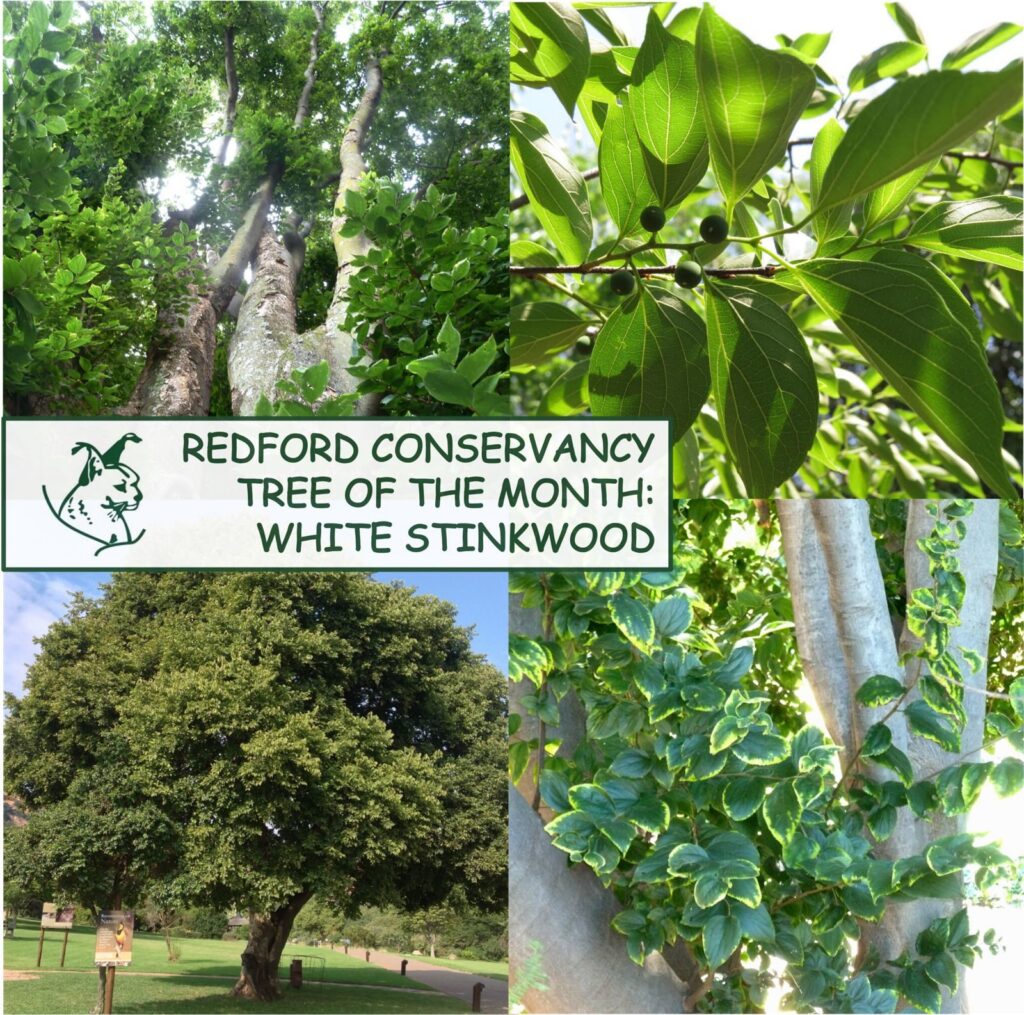
An elegant deciduous tree with a wide-spreading, rounded crown and graceful, slightly drooping branches. Its smooth, pale, almost white bark makes it easy to recognise.
What it looks like
- A wide-spreading, rounded crown with graceful, somewhat drooping branches.
- Smooth, pale, almost white bark: its most recognisable feature, in stark contrast to the delicate light green leaves.
- The leaves turn a beautiful golden yellow in autumn.
In the garden
- Because it loses its leaves in winter, it makes a great garden tree: shade in summer, and sunlight let through in winter.
- The roots can be fairly aggressive and can interfere with paving or foundations, so don’t plant it too close to buildings.
Growing tips
- Prefers full sun but tolerates light shade.
- Very adaptable to most well-drained soils, including poor or sandy soils.
- Highly tolerant of wind, including coastal winds, and very frost-tolerant: a robust choice for many climates.
Role in the ecosystem
- The small flowers are pollinated by the wind.
- The fruit is a crucial food source for many birds, including barbets, bulbuls, mousebirds, starlings and pigeons, which are the main dispersers of its seeds. Small mammals may also eat the fruit.
- The tree gives birds and other wildlife excellent nesting sites and shelter.
- It is a larval host plant for several butterflies, including the common hottentot and the African snout butterfly.
Reference: African Legacy: Celtis africana