The Crags is one of the loveliest places in South Africa, between the Tsitsikamma mountains to the north and the beaches of the Indian Ocean to the south. It also sits in a very special position between two nature reserves: Whiskey Creek to the west and De Vasselot to the east.
The Crags is an important connecting corridor between the forest and mountain wilderness and the fynbos and forest reserves. Most of the indigenous forest north of the N2 was felled decades ago, and now the fynbos in The Crags is under pressure too: from farming, forestry plantations and other human activities. It is also threatened by invasive plants such as pines, gums, black wattle and kikuyu grass.
The Redford Conservancy has been working to clear alien trees all along the Redford Road and its side roads, so that as much fynbos as possible can be preserved. Every little patch of fynbos helps biodiversity, and all landowners and residents can help to conserve our fynbos heritage.
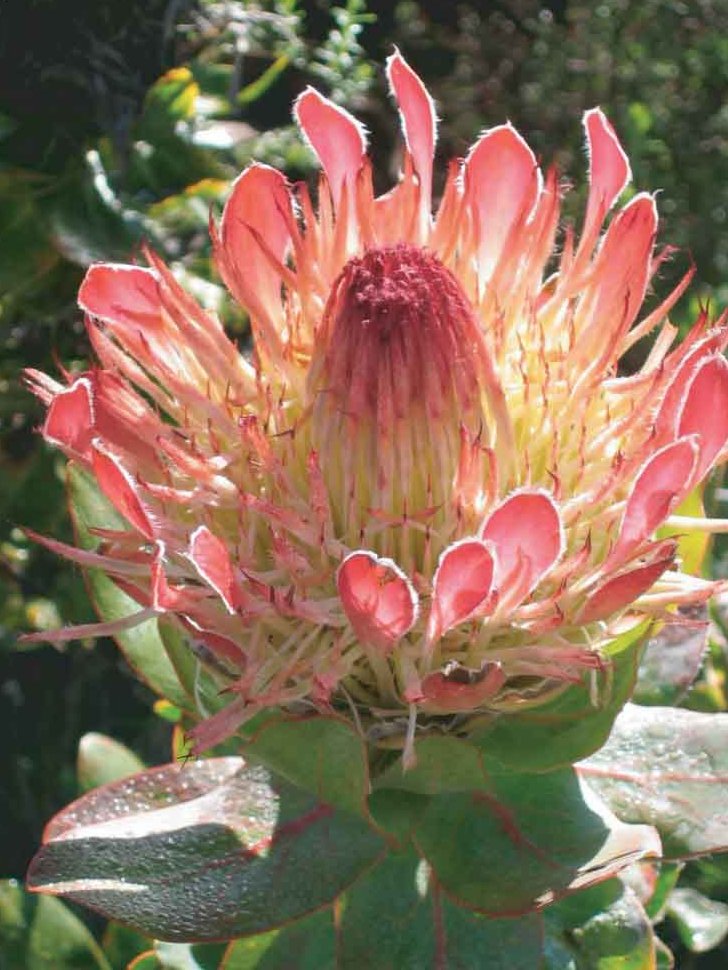
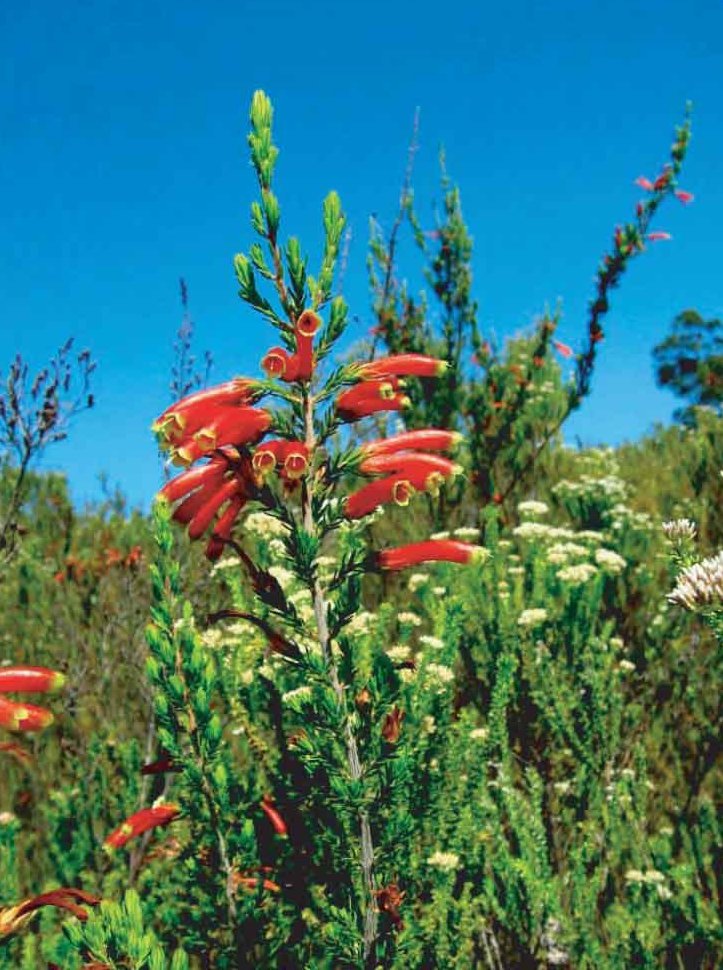
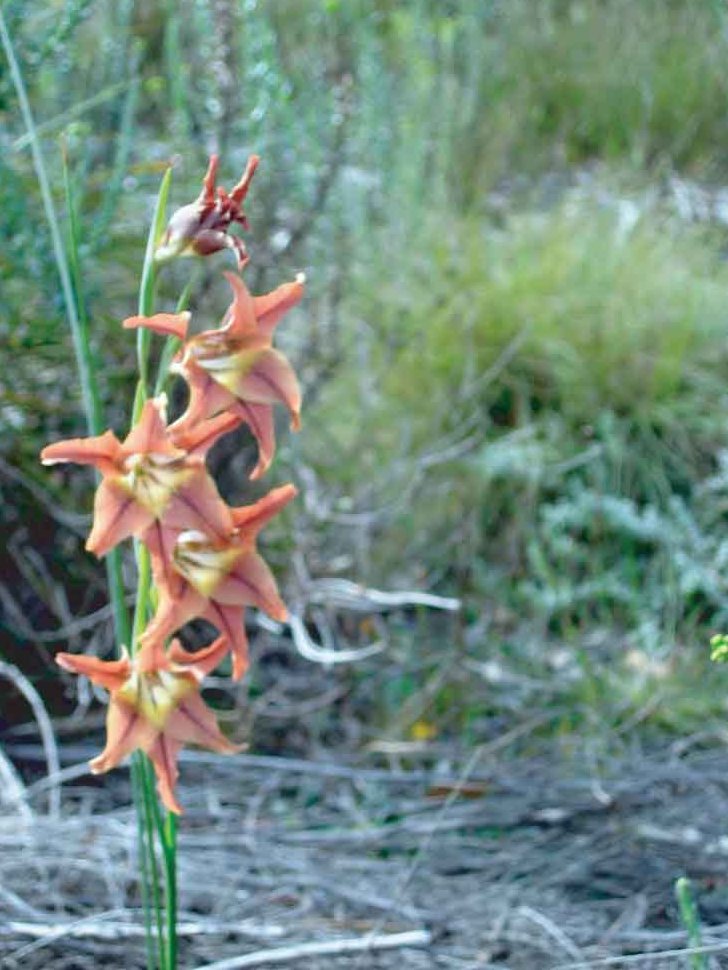
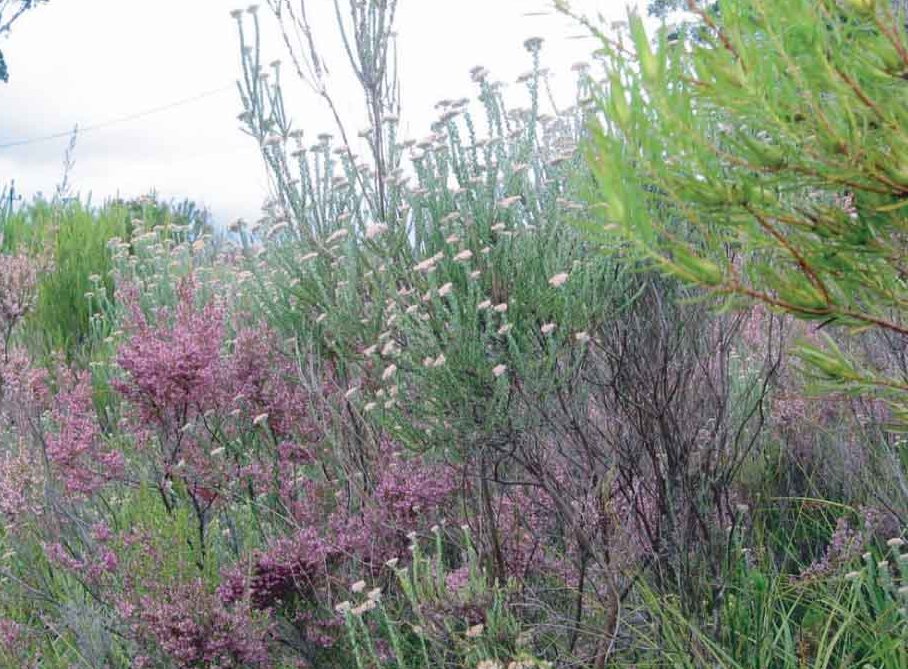
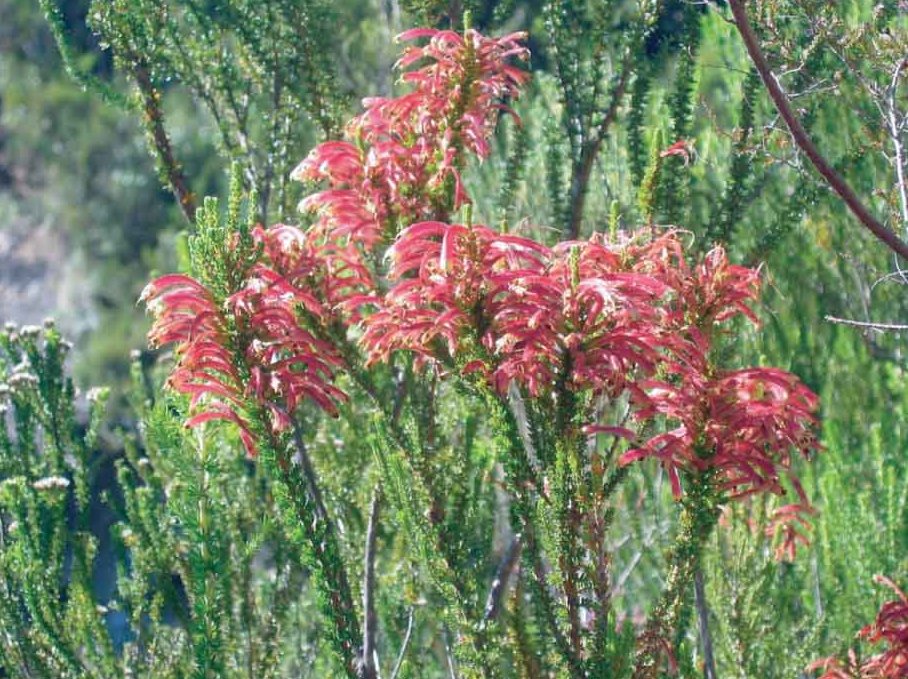
Why fynbos matters
There is a move afoot to remove all fynbos from the road verges in The Crags.
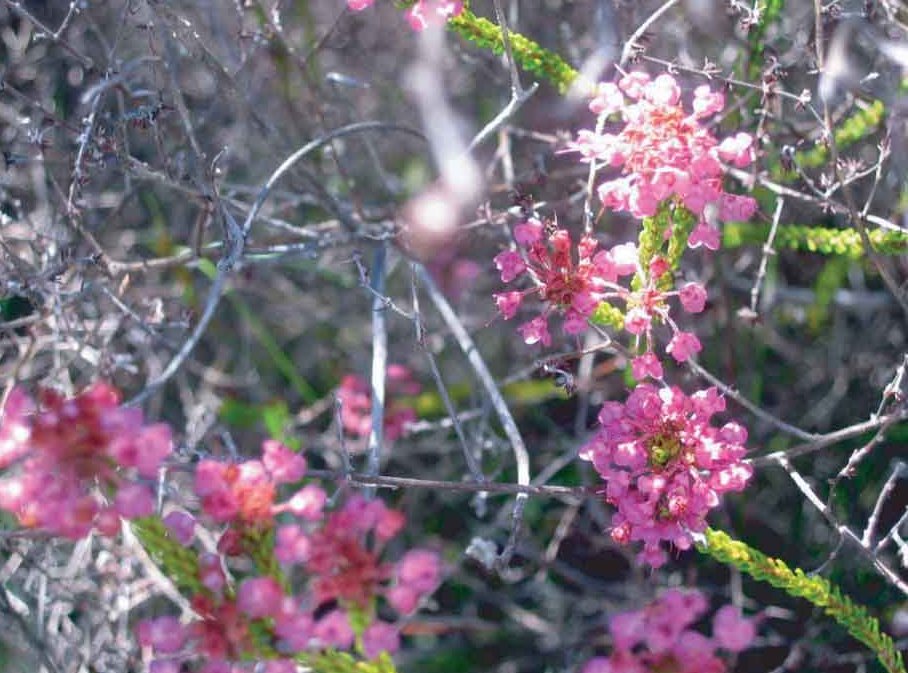
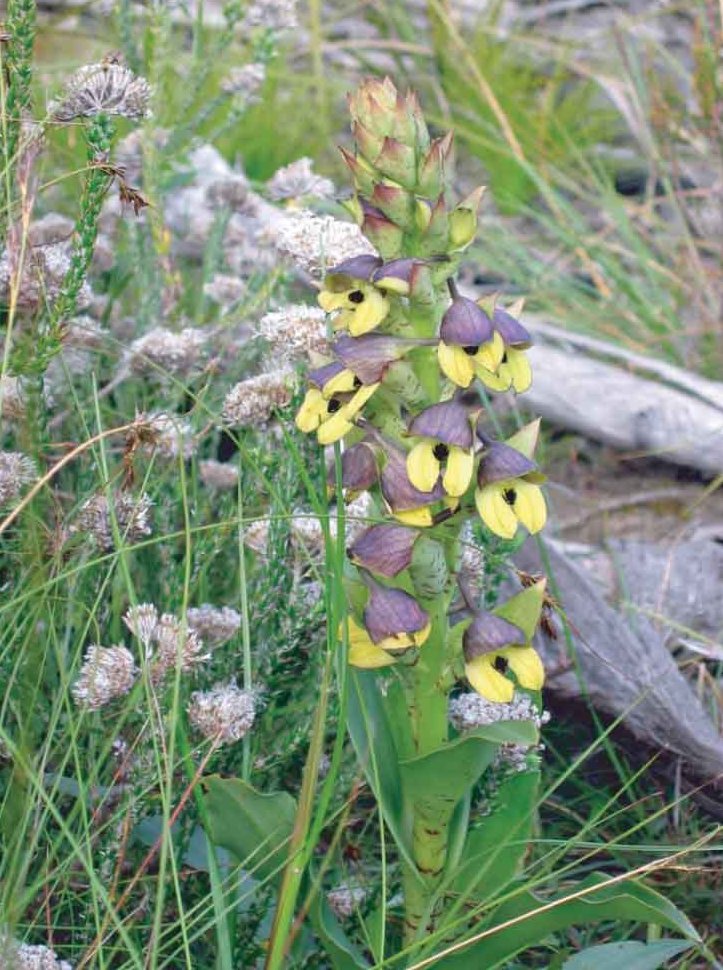
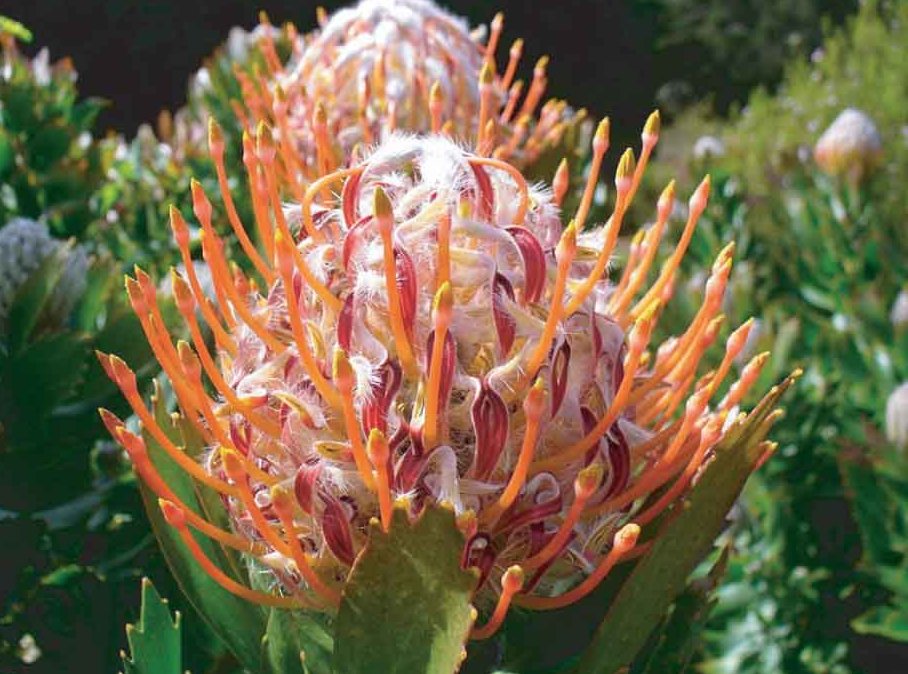
As far back as 1772, botanical visitors from Europe were amazed at the rich diversity of rare and beautiful plants in our fynbos. The Cape Floral Kingdom is the smallest of the world’s six floral kingdoms and one of the richest, with two-thirds of its plants found nowhere else on Earth. It has been identified as one of the most critical biodiversity hotspots on the planet.
So how can we, the fortunate owners of this rare gem, condemn it as “useless for pasture”, “just bushes” or “a fire hazard”? Fynbos needs all the help it can get to survive urban development, agriculture and invasive alien plants. By the last survey, almost two-thirds of our fynbos is already gone, and the rest is under threat. Everyone can make a difference.
Preserving the fynbos along our road verges makes sense: letters in the local paper have urged people to drive through The Crags to see it, and visitors support local people. Bees are in trouble worldwide too, and fynbos honey is the best there is.
We ask anyone who plans to mow the verges to think again. At the very least, keep a thin line of fynbos along the roads: for beauty, and as a habitat for birds, small mammals, reptiles and insects. The self-sown pines spreading across the hills above The Crags are a far greater fire hazard than this thin ribbon of fynbos.
Everything has its place in the ecology. Money is not the only thing in life!
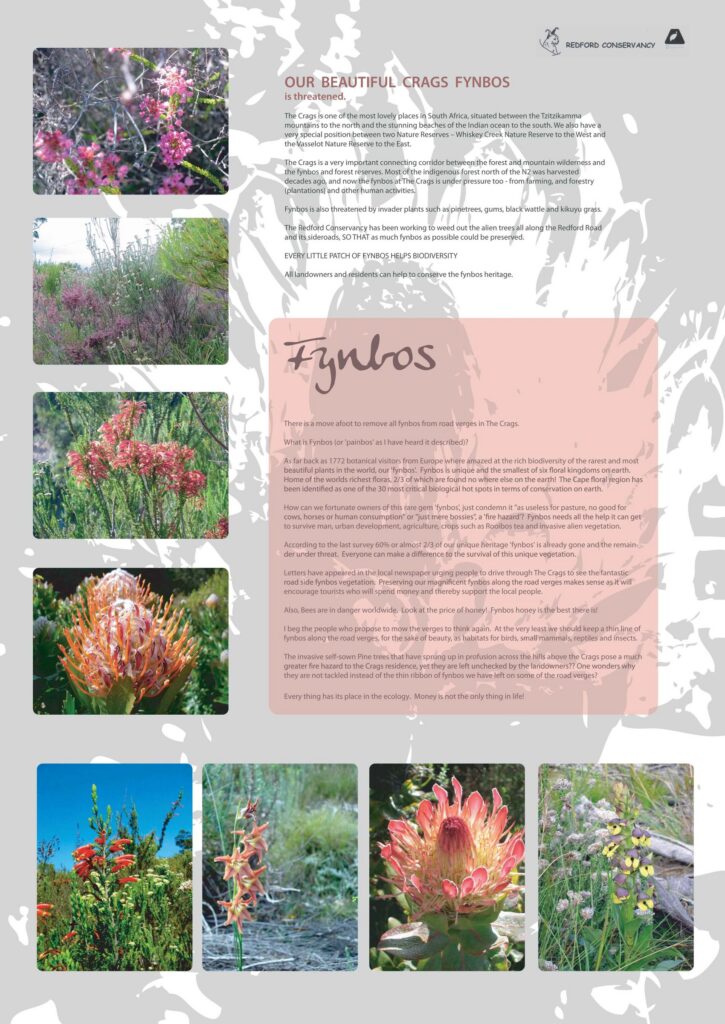
From the Redford Conservancy fynbos poster, July 2026.